
The Franklin Dam - where thinking changed
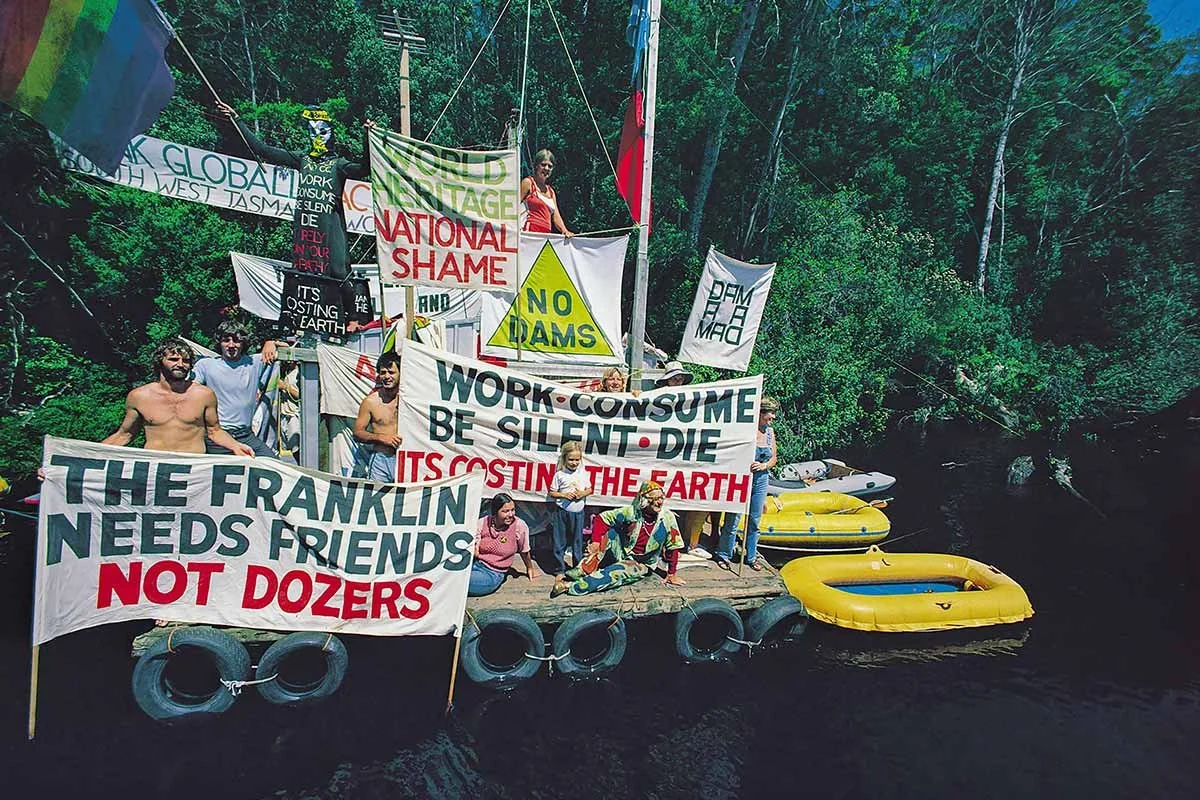
The Franklin Dam controversy is often remembered as a protest that stopped a dam - mass protests, civil disobedience, and over 1000 arrests. Ultimately, it was stopped in 1983 by a High Court ruling (Commonwealth vs Tasmania), after federal intervention using World Heritage obligations. But what it really represents is a moment where a way of thinking that had worked for decades was seriously challenged.
From the 1940s–1970s, governments prioritised large-scale infrastructure and resource development. In Tasmania, that meant hydro. In the post-war period, policy focused on stability, employment, and economic growth. Hydroelectricity became central to economic policy, powering industry and expansion.
So the logic continued: river -> dam -> electricity -> development. Within that model, there was no clear reason to stop.
By the mid-20th century, many of the most accessible hydro sites had already been developed. Attention shifted to the southwest (one of the last major untapped systems), but also one of the last large intact wilderness areas. At the time, that second point carried far less weight in decision-making.
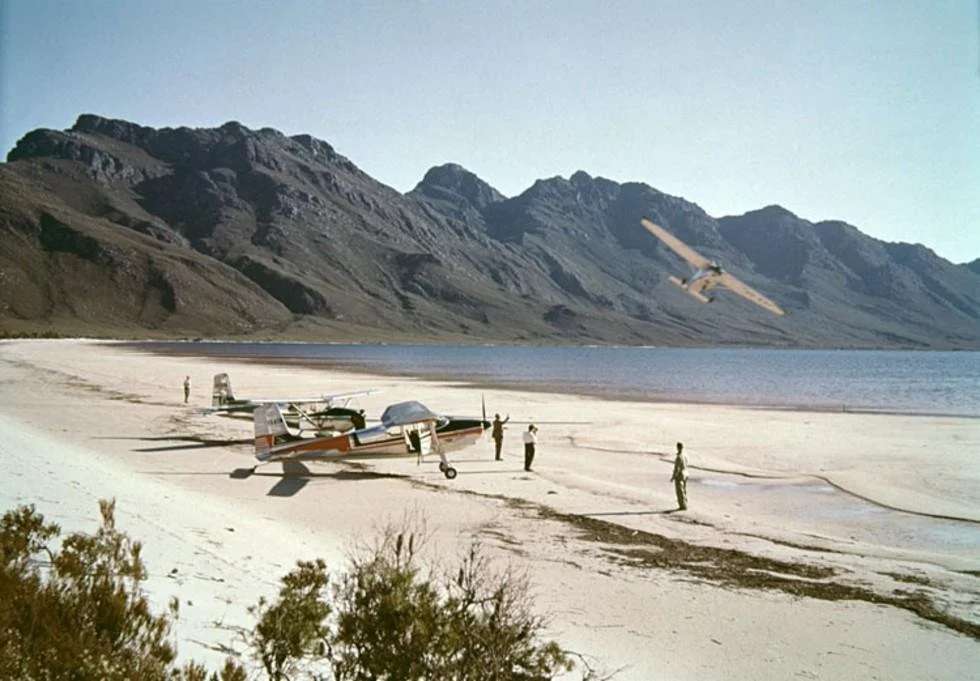
Then something changed. Lake Pedder was flooded in 1972. A glacial lake with a rare quartzite beach and unique ecosystems, it was completely submerged beneath a much larger reservoir. There was opposition, but it went ahead.
Afterwards, it became clear: that landscape was not coming back. A landscape was effectively erased. This is widely seen as a turning point in modern environmental activism in Australia. It generated not just concern, but a sense of lasting regret.
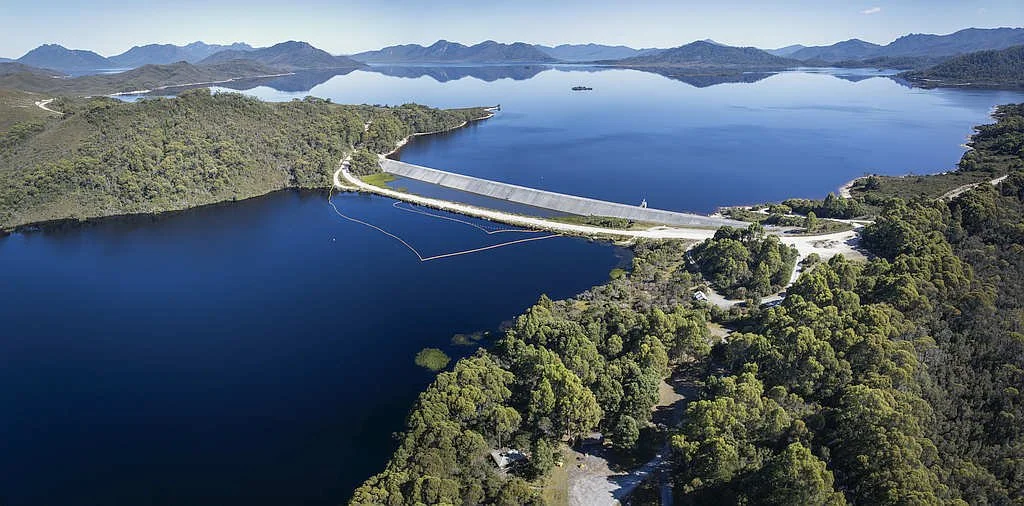
By 1979, the Franklin proposal had emerged. A dam on the Gordon River would back water into the Franklin valley, flooding gorges, forests, and a largely intact river system.
By now, things had shifted. Environmental awareness was growing globally. Ecosystems were increasingly understood as interconnected. Wilderness was being valued beyond its resource use. Groups like The Wilderness Society had formed and were beginning to organise.
Now, two competing ways of thinking had emerged: economic growth vs environmental limits.
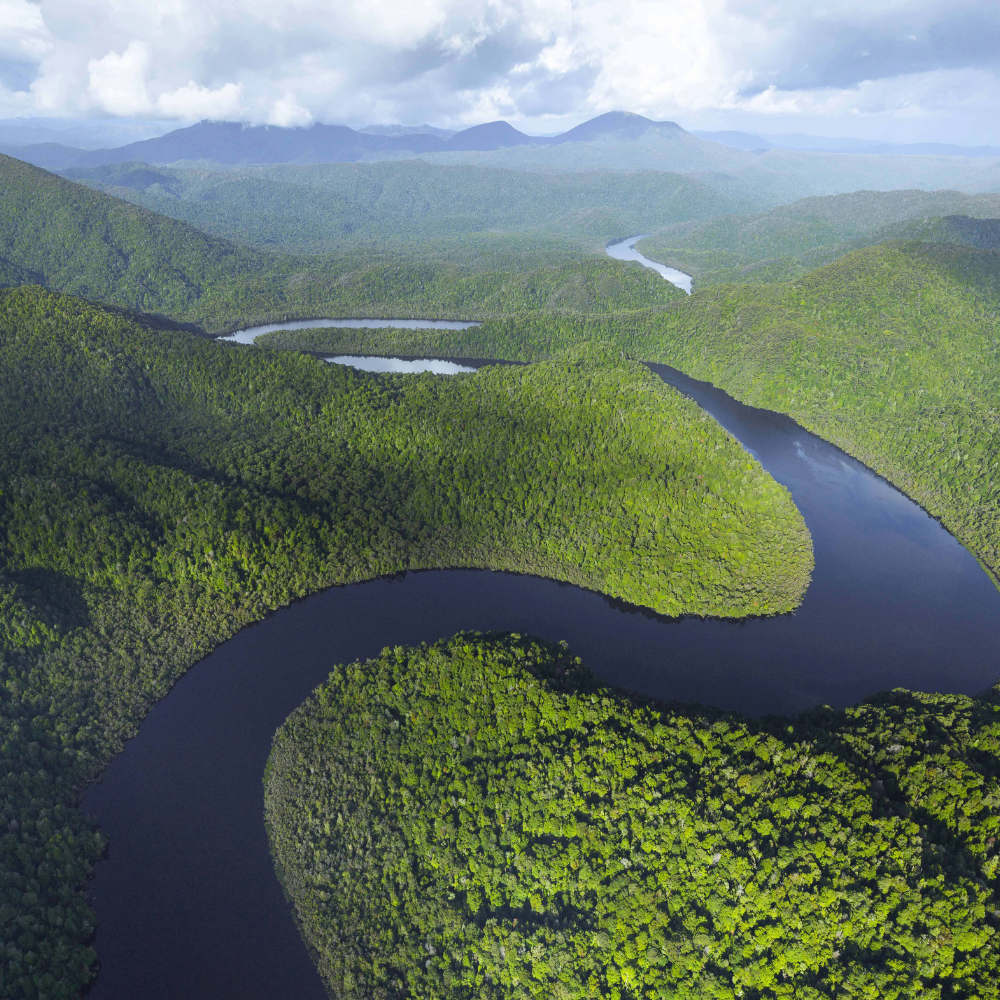
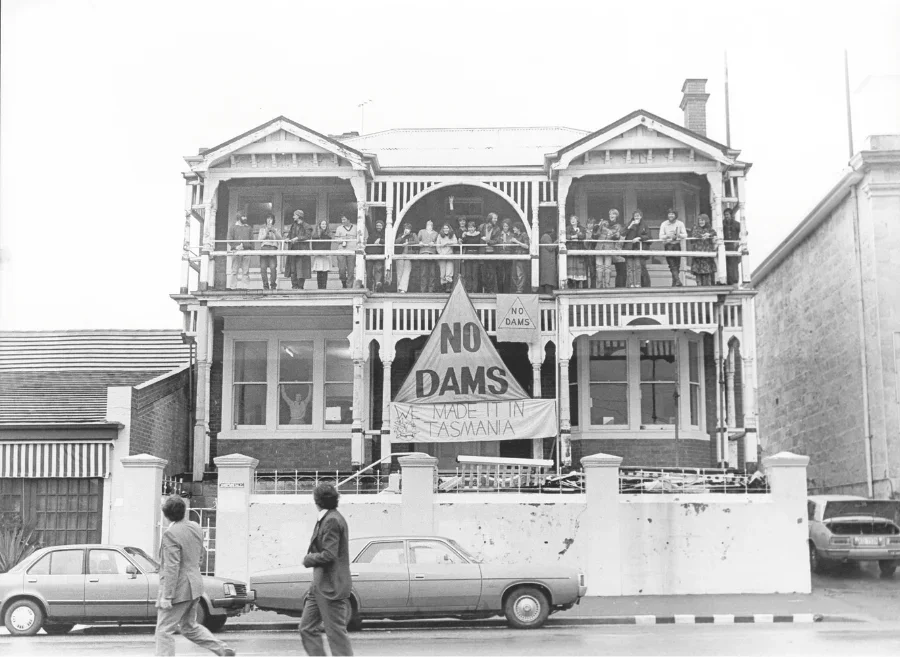
In 1982, the area received World Heritage status. In 1983, the High Court ruled the federal government could stop the dam. And it did. This wasn’t just about stopping a project. It changed the rules.
Before: experts decide -> project happens.
After: public values and environmental limits had to be taken into account.
Hydro was already widely seen as a clean form of energy. So this wasn’t simply about clean vs dirty. It showed even “good” solutions come with trade-offs, and that in complex systems, not all consequences are fully recognised until it’s too late.